
Update on my novel, The Marrying Man; Writing Advice from Ray Bradbury
Past writings are photos of your mind—when you take a peek, it can be frightening what you read!

Revisiting a manuscript you wrote years ago is a strange experience. It’s like opening a time capsule of your own mind. I’ve been doing some light revisions to my manuscript, The Marrying Man. I first started drafting it in 2019 after years of research. While doing so, I was surprised to see how much I’ve grown as a writer.
I’ll start with my conclusion:
You can never know what you don’t know.
So you must do.
For the past two years, I’ve written weekly on The Tolton Path. As my posts have become more complex, I’ve settled into a familiar system that I’m able to plan and organize for non-fiction and fiction. Yes, I’ve made mistakes. But with each post, my thoughts and stories are easier to convey. And dare I say, with better results.
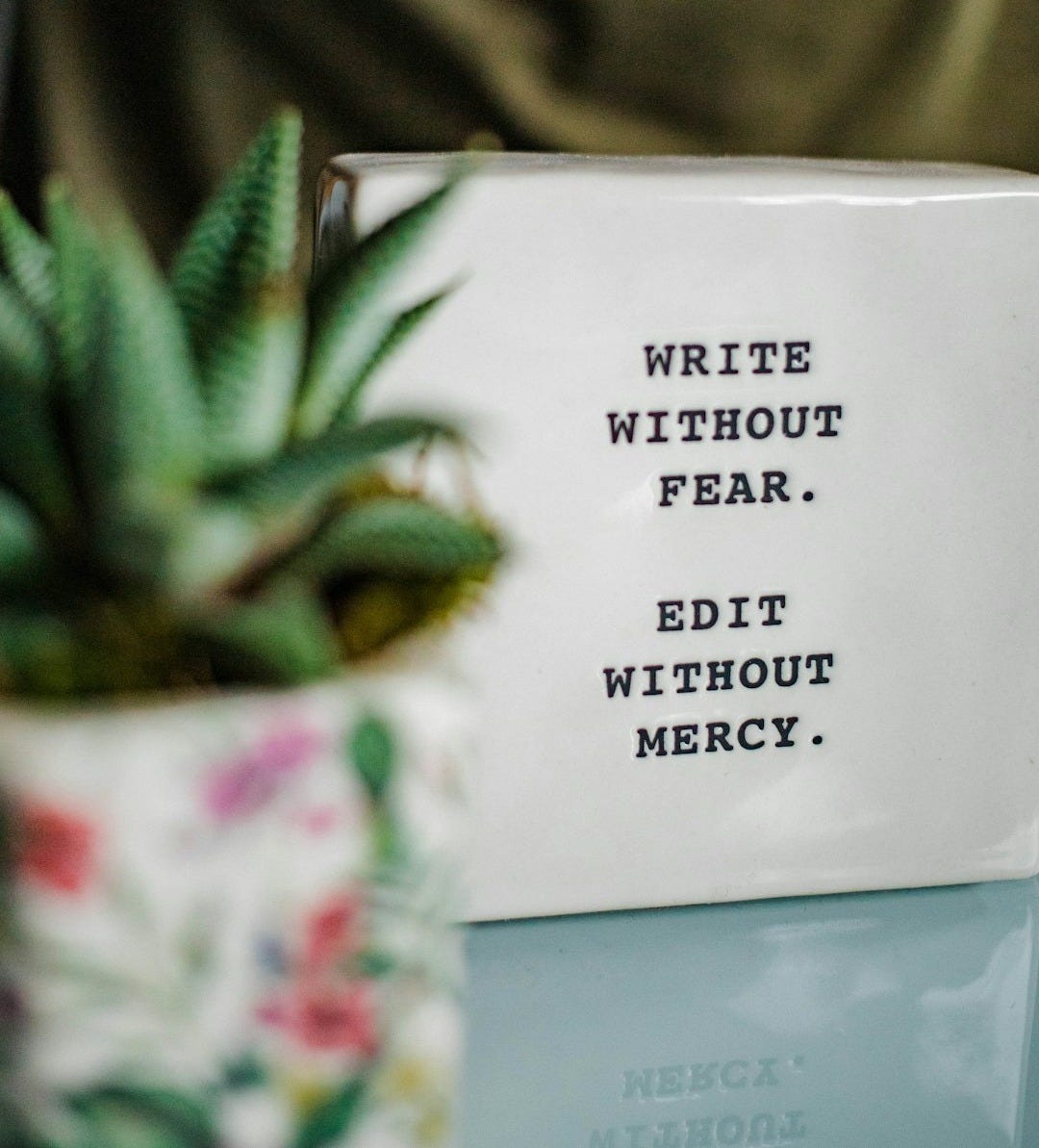
Past writings are photos of your mind. When you take a peek, it can be frightening what you read. But it’s necessary.
Diving back into the manuscript for The Marrying Man revealed the growth that I’ve achieved. It was like looking at an old photo and seeing who you used to be. Past writings are photos of your mind. When you take a peek, it can be frightening what you read. But it’s necessary.
Writing Advice
The advice I’ve received along the way can be summarized in two words: just write. That was the advice from a recent writing workshop at Word on Fire. Don’t wallow in your past work, just keep going. Keep writing!
That lesson isn’t new. It’s the same advice Ray Bradbury provided 25 years ago. He said, “You must write every day…Writing is a process of cleansing yourself.” That daily discipline, he said, cleanses the soul and deals with your real fears. Writing every day was the habit that sustained his life, he said. He began writing short stories at 12.
And that relates to his second piece of timeless advice. Bradbury said that your first writing of fiction should be short stories. And a lot of them. Don’t start writing with a novel because you’re still learning and going to make mistakes and, if you end up spending a year (or two or three) writing a novel, that may not turn out well. Instead, he said, start with short stories. You’ll still make mistakes but they will be smaller pieces, where you learn your craft and prepare yourself for writing a good novel.
Even when you’re afraid—especially when you’re afraid—you must do. That’s how you learn. You won’t be perfect, but you will get better. It takes discipline and faith. Maybe that’s true of more than writing. The only way to become who we’re meant to be is to keep doing the work.
That is the path.
What’s the Plan?
People sometimes ask what I’m going to do with all these stories and posts. Eventually, they get to the same question.
What’s the plan?
I finally have the right answer.
Write some more.
Peace.
P.S. The New Earth science fiction series continues in July. All the previous entries of the series are located here. Paying subscribers can read the full arc on one page here.
Thank you for the great advice. I know exactly what you mean about the time capsule of your own mind. It is such a strange experience. I felt it too when I went back and read a novel I wrote just out of highschool. I appreciate this advice to write short stories and just keep writing. I hope to join you with these goals. Happy Sunday.